
Advantages of Linen Fabric and Linen Bed Linen
Updated September 7, 2026 — reviewed for accuracy, structure, links and image accessibility.
Quick answer: Linen fabric is valued for its breathability, moisture management, durability and distinctive natural texture. In bedding and other home textiles, those qualities can make linen comfortable across seasons and capable of ageing well when it is cared for correctly.
What makes linen fabric different?
True linen is woven from fibres taken from the flax plant. The fibre structure helps linen feel breathable and absorb moisture readily, which is one reason it has long been used for sheets, pillowcases, towels, table linen and clothing.
Linen also has a characteristic textured surface. It can look crisp when pressed or relaxed when washed and left with its natural creases, giving designers flexibility across traditional and contemporary interiors.
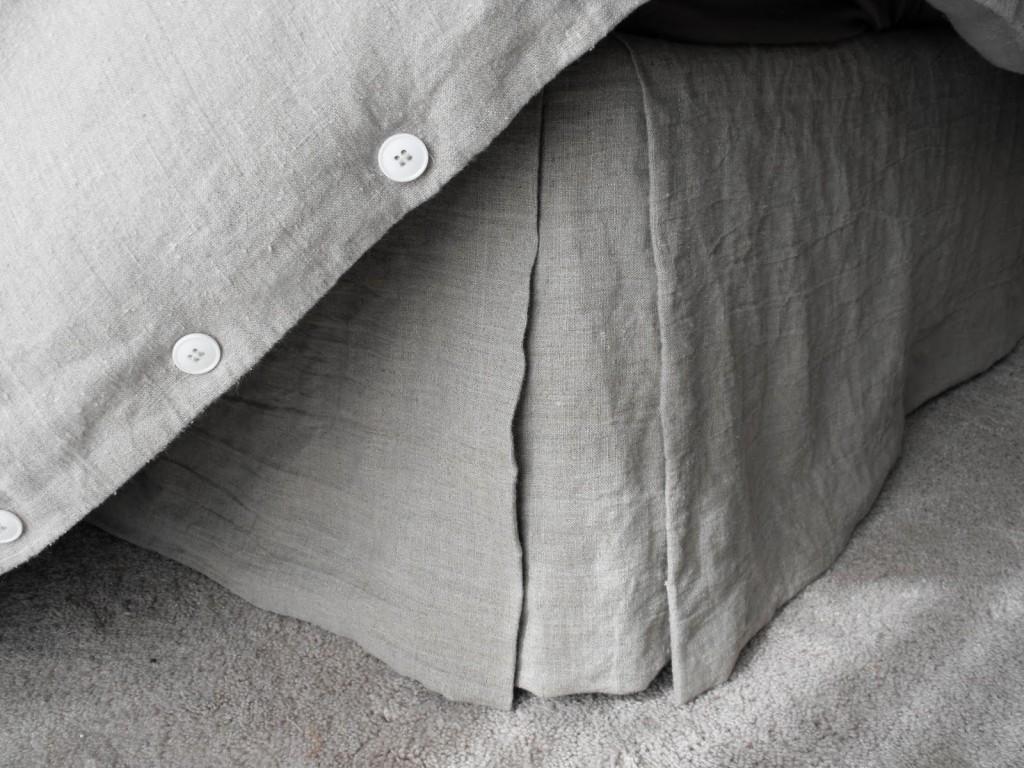
Advantages of linen bedding
- Breathability: air can move through the fabric, helping bedding feel comfortable in warm conditions.
- Moisture absorption: linen can absorb moisture and release it as it dries.
- Durability: good-quality linen is strong and can withstand regular use when laundered according to its care label.
- Comfort over time: many washed linens become softer through use and laundering.
- Timeless appearance: natural texture works in both relaxed and refined bedroom schemes.
Why flax matters
Flax can be grown in suitable climates with comparatively modest irrigation needs, although the environmental impact of any textile also depends on farming, processing, dyeing, transport, use and eventual disposal. Linen is a plant-based fibre and is biodegradable when it is untreated and free from synthetic blends or finishes.
For a closer look at the production process, read how flax becomes linen fabric.
Choosing linen for a home-textile project
Match the fabric to the intended use rather than choosing by colour alone. Bedding needs a comfortable handle and suitable weight; curtains need the right drape and light transmission; upholstery requires a construction designed for abrasion and repeated use.
Browse linen fabrics for home décor and order linen fabric samples before committing to a larger project. A physical sample lets you compare texture, opacity, weight and colour in the room where the textile will be used.
Caring for linen bed linen
Always follow the product care label. In general, avoid overcrowding the washing machine, use a mild detergent and skip chlorine bleach. High heat can encourage shrinkage and weaken fibres over time, so a moderate wash and low-temperature drying are usually the safer choices.
For broader care guidance, see our guide to washing and drying linen.
Frequently asked questions
Is linen bedding suitable throughout the year?
Yes. Linen's breathable structure and moisture absorption can feel comfortable in warm weather, while layered bedding provides warmth in cooler months.
Does linen become softer after washing?
Many washed linens soften gradually with regular use and correct laundering. The exact result depends on the weave, finish and care instructions.
Should I order a linen sample first?
Yes, especially for a coordinated interior or a larger sewing project. A sample is the best way to assess colour, weight, opacity and texture in person.