

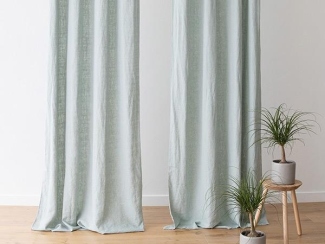
7 Linen Interior Ideas for a Calm, Natural Home
Updated August 9, 2026
Quick answer: Linen makes an interior feel calmer when it is used as a connected layer rather than as a single decorative accent. Start with one practical element—curtains, upholstery, bedding or table linen—then repeat related colours and textures around the room.
A beautiful linen interior does not depend on replacing every textile at once. The material works especially well in rooms that need softness, movement and natural texture. Its visible weave keeps neutral colours from looking flat, while its relaxed drape makes formal rooms feel more comfortable.
The seven ideas below focus on decisions that improve how a room functions as well as how it looks. Before ordering yardage, compare linen fabric samples in the actual room and check them in morning, afternoon and artificial light.
1. Begin with linen curtains
Curtains cover a large visual area, so they can set the mood of the whole room. A lighter weave filters daylight and creates movement; a denser fabric offers more privacy and a stronger frame around the window. If the room needs darkness, insulation or extra structure, use a suitable lining rather than relying on appearance alone.
Hang curtains high enough to emphasise the room's height and allow adequate fullness so the fabric falls in generous folds. Explore fabrics intended for linen curtains and judge drape with a sample before committing to a long drop.
2. Build a natural neutral palette
Natural linen is not one colour. It ranges from ivory and oatmeal to beige, flax and grey, and the undertone can be warm or cool. Choose a base that relates to the fixed elements in the room: flooring, stone, timber, wall colour and major furniture.
A tonal scheme becomes more interesting when several related shades are layered. For example, pale curtains, oatmeal cushions and a deeper flax throw can create contrast without introducing a busy pattern.
3. Mix smooth and textured linen
Texture gives a restrained room depth. Combine a smoother weave with one or two more pronounced surfaces, such as washed, rustic or open-weave linen. Avoid using many equally strong textures in the same small area; one feature texture is usually enough to make the arrangement feel intentional.
Look at the fabric from normal viewing distance as well as close up. A dramatic slub that is attractive in a sample may read very differently across a large sofa or a full wall of curtains.
4. Use linen on seating thoughtfully
Linen can bring a crisp but comfortable character to chairs, benches and sofas. The important question is not simply whether a fabric is linen, but whether its weight, construction and finish suit the furniture and the household. A formal occasional chair has different demands from a family sofa used every day.
For fitted pieces, choose fabric sold for upholstery use. Removable linen covers can create a relaxed look and make seasonal cleaning easier when the care instructions permit washing.
5. Add smaller repeatable accents
Cushions, lampshades, runners and fabric-covered storage are useful ways to introduce linen without changing permanent elements. Repeating the same cloth in two or three places helps a room feel connected, but the pieces do not have to match exactly.
For a more polished result, repeat either a colour or a weave—not necessarily both. A striped cushion can relate to plain curtains through a shared background shade, while a natural runner can echo an upholstered chair through texture.
6. Bring linen to the table
A linen tablecloth or runner softens dining furniture and makes everyday meals feel considered. Napkins add another practical layer and can introduce a seasonal colour without dominating the room. Keep the arrangement simple enough that people can sit, serve and talk comfortably.
If the table has an attractive surface, use a runner or placemats instead of covering it completely. This balances the textile with wood, stone or glass and prevents a heavily layered look.
7. Let linen remain relaxed
Linen naturally develops soft creases. In an interior, this is part of its character rather than a flaw that must always be pressed away. Smooth obvious folds after washing, hang curtains evenly and reshape covers, but allow the surface to look lived in.
The most convincing linen rooms combine beauty with use. Leave clear walking routes, choose washable textiles where spills are likely and avoid delicate open weaves in places exposed to claws, sharp hardware or constant abrasion.
A simple room-by-room plan
Choose one anchor textile for each room: curtains in the living room, bedding in the bedroom, napkins or a runner in the dining area. Add one supporting texture and one smaller repeated accent. This creates a clear hierarchy and prevents several unrelated linen ideas from competing for attention.
Order samples before buying larger quantities, record the fabric name and colour, and view each swatch beside the materials already in the space. A small amount of planning produces a calmer result than collecting attractive textiles individually.
Frequently asked questions
Which linen colours work best in a calm interior?
Warm whites, oatmeal, flax, stone and soft grey create a quiet base, while muted greens, blues or earthy accents add depth. Test swatches in the room because daylight and artificial light can change how a colour appears.
Can linen be used for both curtains and upholstery?
Yes, but the fabric specification should match the job. Curtain linen is chosen for drape and light control, while upholstery linen needs suitable weight, weave stability and durability for the amount of use the furniture receives.
How do I mix linen textures without making a room look busy?
Keep the colour palette controlled and vary texture gradually. Pair a smoother curtain or table linen with a slubbier cushion, throw or upholstery fabric, then repeat one colour in several places to connect the layers.

Number 4, great idea for that sea bleached stick picked up on the beach. I knew it would be good for something!