What Is a Low Shank Sewing Machine? Simple Guide for Sewers
Updated August 1, 2026: this guide has been refreshed with clearer low-shank explanations, presser-foot checks and sewing setup tips.
Quick answer: what is a low shank sewing machine?
A low shank sewing machine is a machine where the distance from the presser-foot screw to the needle plate is relatively short, usually around 3/4 inch. Many domestic sewing machines are low shank, but it is always worth checking your manual or measuring before buying extra presser feet.
Shank type matters because presser feet are not universally interchangeable. The right foot helps fabric feed smoothly, which is especially useful when sewing natural woven fabrics, hems, seams or thicker home textiles. If you are preparing a sewing project with linen, test your machine setup on a fabric sample before cutting the full piece.
How to check your machine shank type
Lower the presser foot, measure from the centre of the screw that holds the foot to the needle plate, and compare that measurement with your machine manual. Low shank, high shank and slant shank machines use different accessories, so confirming this small detail can prevent skipped stitches, uneven feeding and frustrating sewing results.
Sewing is more fun – and successful - when you have the right equipment. In this post we'll help you differentiate between a low and high shank machine, and what these terms mean. So, if you're baffled by the technical terms around sewing machines, here's a simple guide to low shank sewing.
Why does size matter?
You might be wondering why it matters whether your machine is low shank or high shank (or even slant shank!). And it's a fair question. But this isn't one of those obscure things that only professional sewing machine operators need to know. It affects the workings of your own machine, and what accessories or replacement parts you buy.
If you want to get the best out of your sewing machine, and when you need to buy replacement parts, it's important to understand what size shank your machine has.
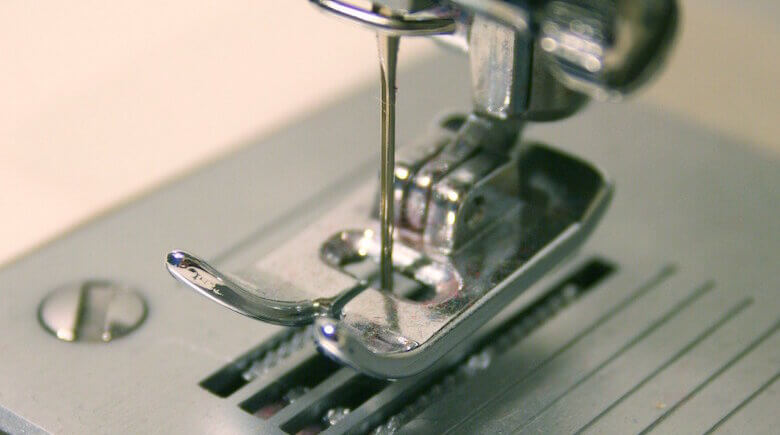
The shank is the metal rod that connects the presser foot onto the sewing machine. The height is significant because it determines the thickness of the fabric you can fit under the foot. High shank sewing machines suit more bulky fabric as there's more space beneath the presser foot. For sewing common fabrics like cotton, linen and synthetics a low shank will be fine.

How to measure your sewing machine to find out if it's low shank
Luckily, most domestic sewing machines are low shank. But to make sure, it's easy to measure the length of the shank. To determine your machine's shank size:
- Lower the presser foot completely flat
- Using a ruler, measure from the base of the foot to the center of the presser foot thumb screw
- If the shank is 075" or 0.5" or below, you have a low shank sewing machine
- For shanks measuring 1" and more, it's a high shank machine
High shank = high end
High shank machines tend to be extremely costly and are mainly used for commercial or industrial sewing and technical embroidery. Different brands make both kinds of shank size, such as Brother, Husqvarna, Janome, Singer and Pfaff. Bernina don't use either classification.
Low shank sewing machines are ideal for beginners and hobby sewers, providing versatility and the chance to upgrade machine parts if needed.
Snap on feet versus screw on feet
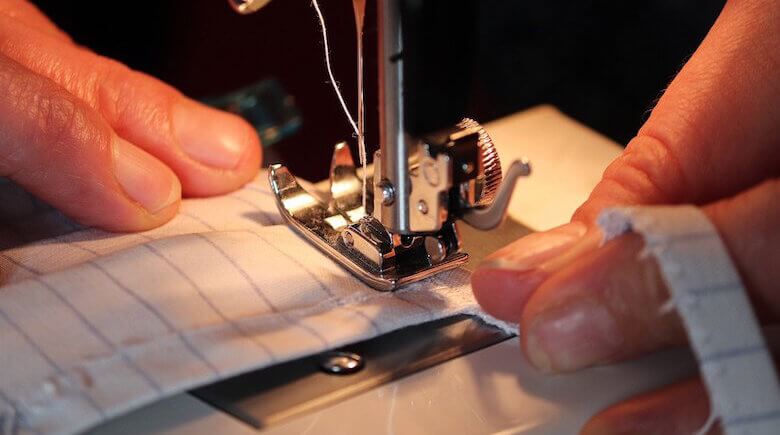
Many modern sewing machines use snap on feet instead of the older style screw on feet. These are generally low shank machines, but there's no need to worry as snap on feet will fit on any shank length.
Buying accessories to change the shank size
Quilters may need to buy accessories like a quilter's open toe ruler foot in order to give more space for sewing wadding and fabric. You'll need to know your machine's shank length in order to get the right ruler.
Low shank adapters will also turn a low shank sewing machine into a high shank one, depending on the style of your presser foot.
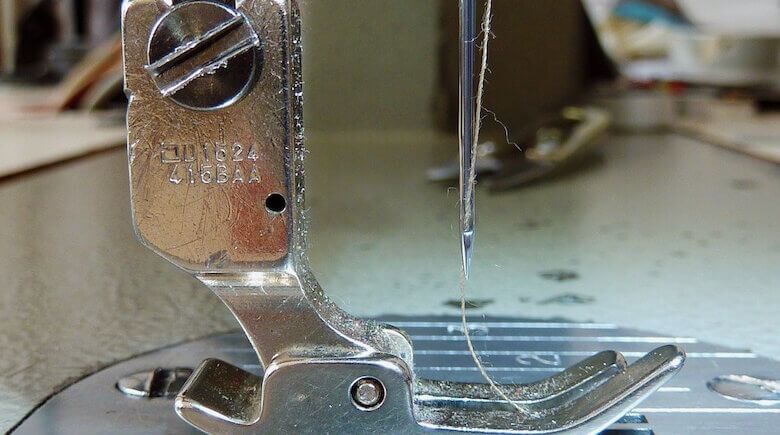
Like most technical details concerning sewing machines, check your operator's manual if you're not sure, or speak to a sewing machine retailer. That way, you can be sure of getting the right parts that fit perfectly in your machine.
Find out more sewing tips that will make your life easier here and here.