
The Essential Guide to Linen
Linen is the kind of fabric that fulfills the modern yearning for a more natural type of luxury. There are also many practical reasons why the fabric is back in favour.
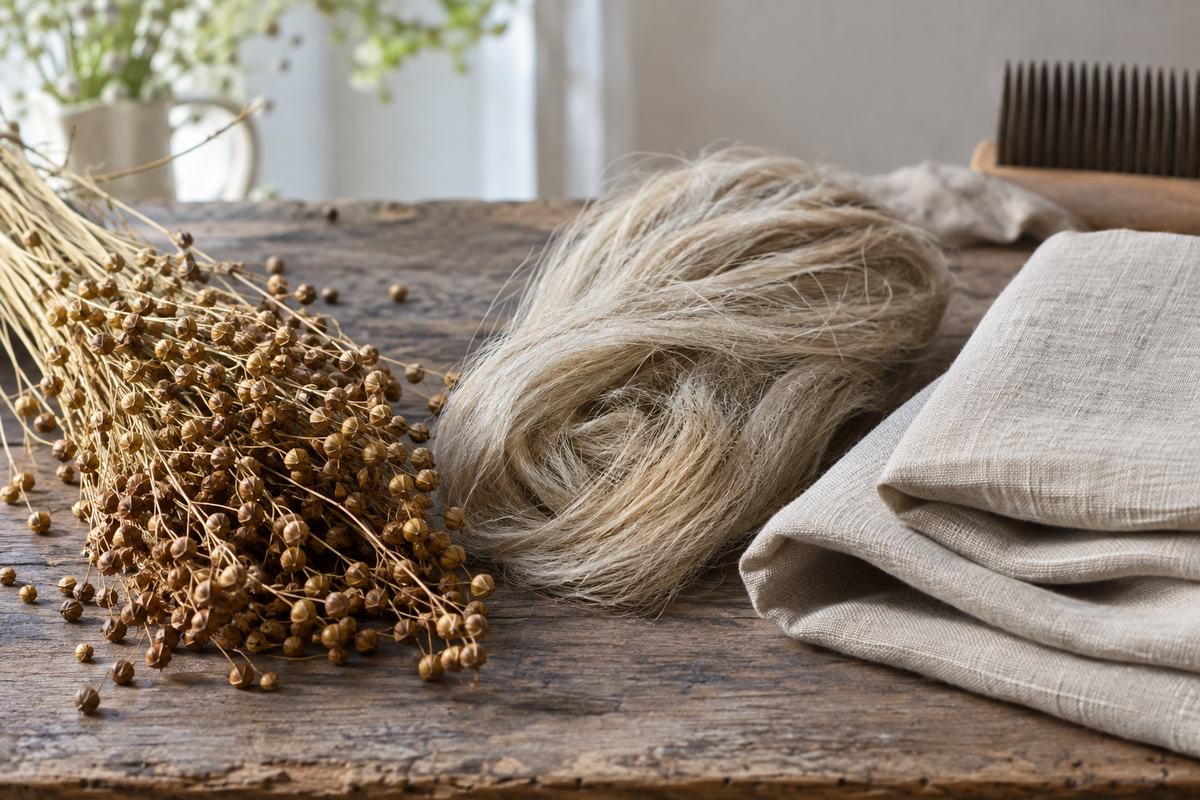
Linen is woven from fibres of the flax plant. Farming and finishing practices vary, so environmental claims should be checked for the specific product rather than assumed for every linen fabric. Linen is valued for its texture, breathability and durability. It can be ironed for a crisp finish or worn with its natural creases, and many linen fabrics soften with washing.
Despite all the positive qualities of linen, choosing linen bed linen can be a tough job. This is why we decided to ease the job for you and prepared a guide to choosing linen and taking care of it.
How to judge linen quality
Thread count alone is not a reliable quality test for linen. Look at the fibre, yarn, weave, fabric weight, finishing and how the textile feels in your hands. Linen is commonly described by weight in grams per square metre (GSM), which can help you compare a light bedding fabric with a heavier upholstery or curtain fabric. The right weight depends on the intended use, not on a single universal “best” number. For bedding, consider whether you prefer a softer, more fluid drape or a more substantial feel. For curtains, weigh privacy and light filtering against the desired fall. Upholstery needs a suitable weave and durability rating, not merely a heavyweight label. Ask for a sample when possible and compare it in the room where it will be used.
How to care for linen
While speaking of linen care, follow the care label on your particular item. A gentle detergent, appropriate wash temperature and avoiding harsh bleach can help preserve the fabric. Check whether tumble drying is permitted; air drying is often a simple option. If you prefer a smooth finish, iron while slightly damp. If you like linen’s relaxed texture, stonewashed styles can be used without ironing. Wash dark and light colours separately, allow enough room in the machine, and avoid over-drying. The care label takes precedence because blends, trims and finishes can change what a particular item needs.