


Sleep Tight: 6 Tips that will help you sleep better
Sleep is essential to our wellbeing, yet many of us struggle with insomnia or disrupted sleep. Whether unable to fall asleep or waking in the early hours, bad nights can wreak havoc with our health and happiness. So, we've got some tips that will help you tackle the issues head on, and hopefully get some proper, restorative ZZZZZZs.
First, the science bit. When we are asleep our brain activity changes, our heart rate drops and our core body temperature reduces. Our circadian rhythm, or body clock, helps regulate our sleep–wake pattern through light cues and hormones such as melatonin. If all is well, we go through three stages of non-REM sleep and then fall into one stage of deeper REM sleep (which is when we dream). Sleep architecture varies from person to person and across the night; there is no need to count exact cycles or to complete a set number to benefit from sleep.
Disruption to this pattern - by small children, travel, shift work or insomnia - can have a serious impact on our health. Persistent poor sleep can affect wellbeing and deserves attention; individual nights of disrupted sleep should not be treated as a diagnosis. For evidence-based advice, see the NHS sleep guidance. Here are six habits you can try:
Environment
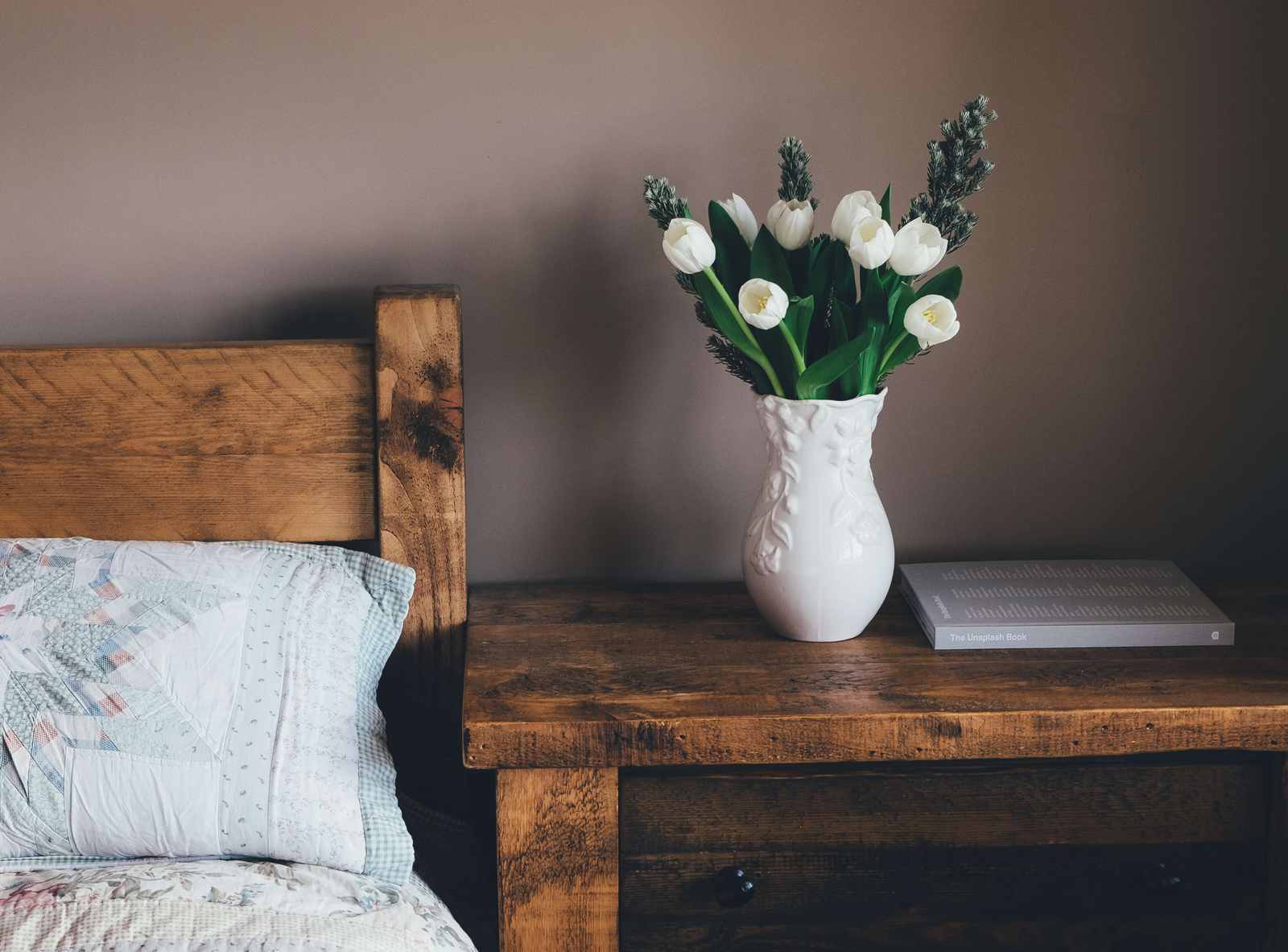
Your bedroom reflects the state of your mind, so keep it tidy, free from clutter and quiet. Avoid having screens in your bedroom if possible - the display lights suppress melatonin and disrupt your sleep. So no more peeking at your phone under the covers. Blackout blinds and sleep masks can help keep out even the smallest chink of light, and try to avoid disruptive lights from clocks. Open the window as far as is safe and comfortable to keep the room ventilated and the temperature cool.
Routine
Say goodbye to long lazy lie-ins! Although they seem tempting, they can actually have an adverse effect on your sleep in the following days. Remember the 'Monday hangover'? - too much sleep at the weekend. Keep sleeping hours regular. Try to establish a bedtime routine: a bath, a foot rub and a good book perhaps. Whatever helps you relax and slow down.
Bed
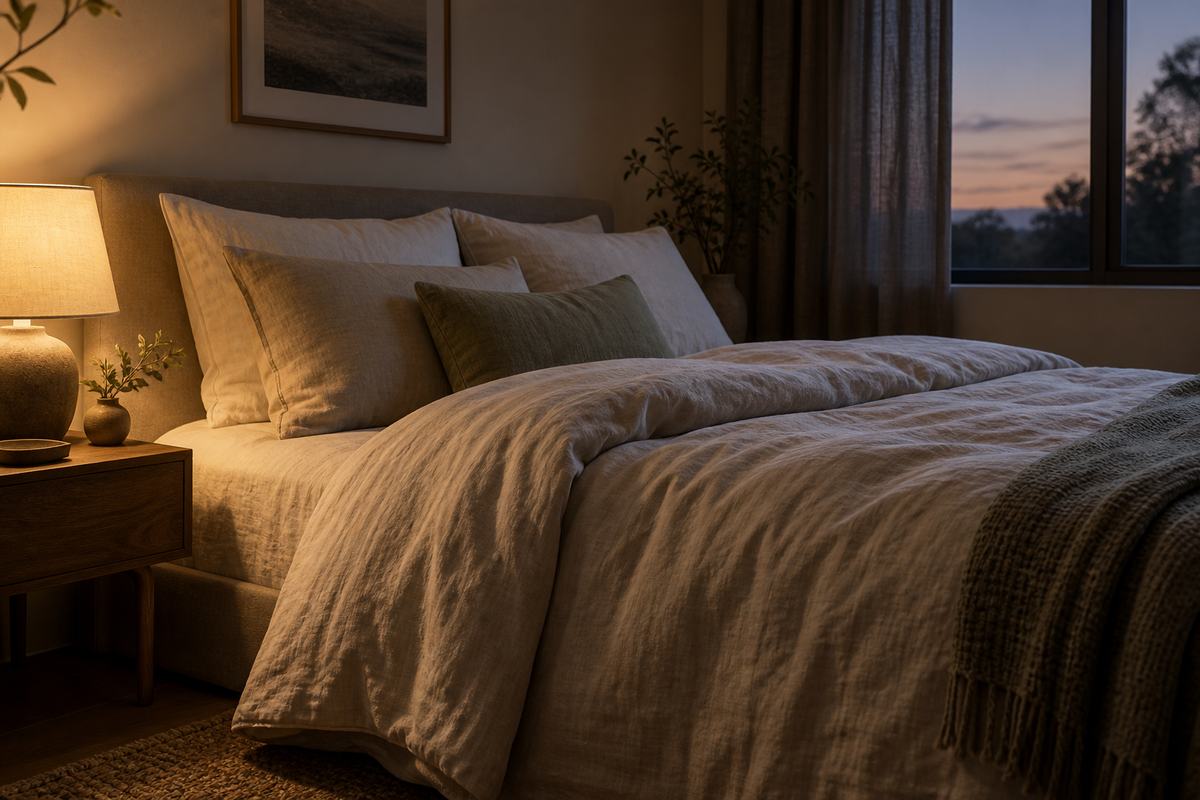
We spend a huge portion of our lives in bed, so it's vital that yours is as comfortable as possible. Choose a good quality mattress that gives support but also molds to the shape of your body. No mattress material can guarantee temperature control or prevent allergies; choose one that feels supportive and check its care guidance. Don't scrimp on bedlinen either - natural fibres may feel comfortable, but bedding cannot treat insomnia or guarantee the right temperature. Make your bed feel like an oasis of luxury and peace with some sumptuous sheets and duvet covers. Wash your linen according to its care label; avoid a temperature that could damage the item.
Food & Drink
Despite the fact that alcohol can help us nod off, it is actually a hindrance to a good night's sleep. The quality of our sleep is often disrupted, and we get dehydrated. Food and drink containing caffeine should also be kept for the early part of the day and avoided in the evening. Whilst it is preferable to leave a few hours between eating and going to bed, a light snack may be more comfortable than a heavy late meal if you are hungry. There is no reliable quick-fix food that guarantees sleep.
Exercise

Not only does regular exercise keep us healthy, it can help us feel less anxious and may support a more regular sleep pattern. Find a time for movement that works for you; vigorous exercise very close to bedtime may feel too stimulating for some people.
Coping with stress
The nighttime can be the time when all our concerns and fears crowd to the fore, leaving us sleepless and stressed. Anxiety can seriously affect our sleep patterns, and often the worry about not sleeping become self-fulfilling. Break this cycle by trying to deal with any concerns during the day - speak to a friend (or a professional if you need more help), write a list of things that are worrying you, tackle problems head on rather than pushing them to one side. You could allot a certain time, say 6-6.30pm as 'worry time' to make sure things don't spill over into the night. Try meditation apps or relaxation CDs to develop new techniques to help you unwind and get to sleep. If you can't sleep after 20 minutes of trying, get out of bed and sit quietly in another, darkened, room until you feel drowsy. Return to your bed, and see if sleep comes more easily.
Here's wishing you hours of peaceful slumber and tranquil sleep. If you don't mind just switching off the light after you go? Thanks.
Need some ideas on decorating with linen? Click here. Fancy breakfast in bed after your sleep? We've got it covered here.

I've been surfing on-line more than three hours nowadays, but I never found any interesting article like yours.
It is pretty value enough for me. In my opinion, if all website owners
and bloggers made excellent content material as you did, the net
will likely be much more useful than ever before.