
Is Linen a Good Fabric for a Sofa? A Practical Guide
Updated August 10, 2026
Yes, linen can be an excellent sofa fabric when the cloth is specifically made for upholstery and matched to the way the sofa will be used. It offers natural texture, breathability and a relaxed appearance, but lightweight dress linen is not suitable for a hard-working family sofa.
The decision comes down to fabric weight, weave, abrasion performance, colour, finish and care. This guide focuses on those practical checks so it complements, rather than duplicates, our broader guides to upholstery materials.
When linen works well on a sofa
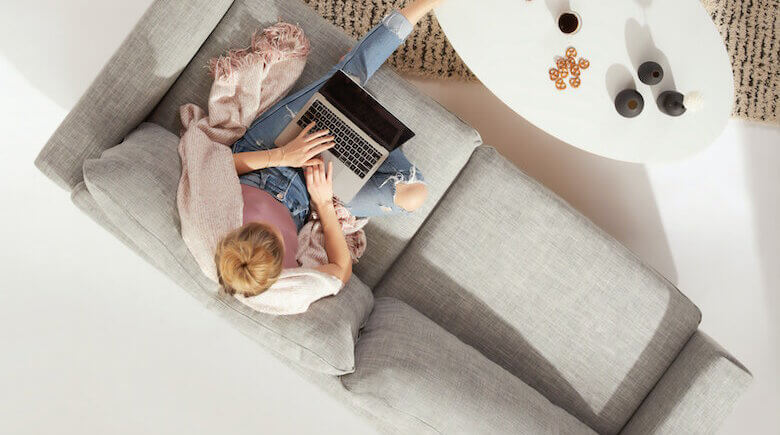
Linen is a good choice for an adult sitting room, occasional chair or household that appreciates a lived-in look. The fibre is strong, the surface feels comfortable in different seasons and the subtle slubs give plain colours depth. Removable, professionally made covers can also make maintenance more manageable.
It may be less suitable if you expect a perfectly smooth, crease-free finish or need a fabric that hides every mark. Pure linen wrinkles naturally, pale colours show spills and loose weaves may be vulnerable to snagging.
Choose upholstery-grade linen, not clothing linen
The word “linen” describes the fibre, not the fabric’s fitness for a sofa. Ask whether the cloth is sold for upholstery and request its technical specification. A dense, stable weave is normally more appropriate than a fine or open fabric intended for shirts, curtains or bedding.
- Weight: look for a substantial cloth that holds its shape over a cushion.
- Abrasion result: check the supplier’s Martindale or Wyzenbeek rating and whether it suits occasional, general domestic or heavy domestic use.
- Seam performance: loosely woven cloth can pull at stressed seams.
- Colourfastness: ask how the dye performs with rubbing and light exposure.
- Care instructions: confirm whether covers can be washed, dry-cleaned or only professionally cleaned.
Pure linen or a linen blend?
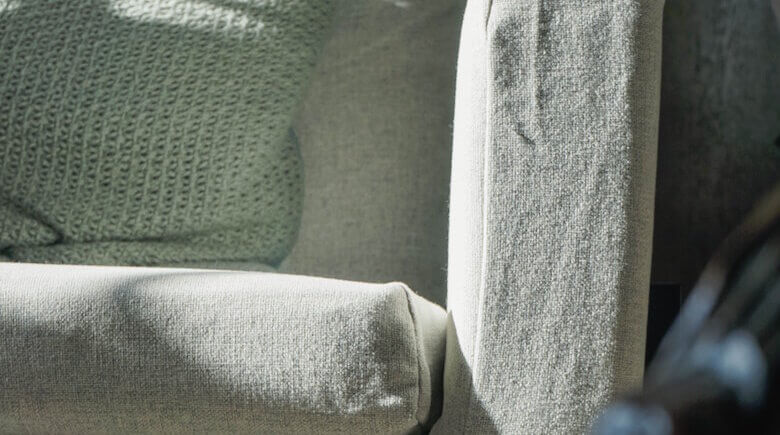
Pure linen gives the most characteristic texture and relaxed drape. A well-designed linen blend can improve crease recovery, dimensional stability or abrasion performance, depending on the second fibre and construction. The fibre percentage alone does not prove durability, so compare the complete specification rather than assuming that a blend is automatically stronger.
If natural composition is a priority, ask exactly what the blend contains. If performance is the priority, request test results and a large sample.
Think about children, pets and daily use
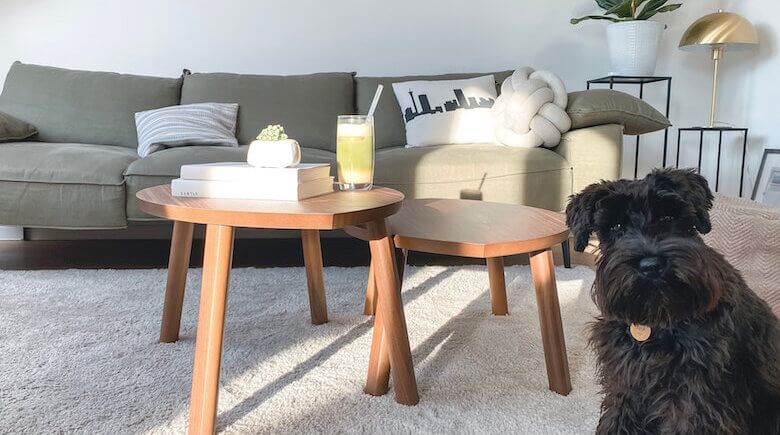
For a busy family room, choose a mid-tone colour, tighter weave and removable covers. Claws can catch an open weave, while muddy paws and food spills make care instructions especially important. A protective finish may help, but ask what it contains and whether it changes the handle or breathability of the cloth.
No upholstery is maintenance-free. Rotate loose cushions, vacuum gently with an upholstery attachment and deal with spills according to the fabric supplier’s instructions.
Colour, light and the relaxed linen look
Natural flax, oatmeal, warm grey and muted colour work especially well because small creases and slubs become part of the design. Very dark, saturated or pale shades can be beautiful, but test how they look in your room throughout the day.
Direct sunlight can fade many textiles. If the sofa sits beside a bright window, ask for a lightfastness rating and consider curtains or blinds during the strongest sun.
Order samples and test them at home
A photograph cannot show handle, opacity or true colour. Order samples from the relevant linen upholstery fabric range and place them against the sofa, flooring and wall colour. Fold the cloth over a cushion, rub it gently, check it in daylight and artificial light, and keep it in the room for several days.
For a custom sofa or re-covering project, give the upholsterer the sample and specification before ordering. They can confirm yardage, repeat allowance, seam placement, backing and whether the fabric needs additional treatment.
How to care for a linen-upholstered sofa
- Vacuum regularly using low suction and a clean upholstery tool.
- Blot spills promptly; do not rub them deeper into the weave.
- Use only the cleaning method stated by the fabric and furniture maker.
- Test any approved cleaner on a concealed area first.
- Rotate cushions where the construction allows it.
- Keep the sofa away from persistent damp and strong direct sunlight.
Our separate guide explains how to clean linen upholstery in more detail.
Frequently asked questions
Does linen upholstery wear out quickly?
Not when an appropriate upholstery-grade cloth is chosen. Durability depends on weave, weight, abrasion performance, construction and use—not simply on the fibre name.
Is linen upholstery suitable for pets?
It can be, but a tight weave and removable covers are preferable. Open textures may snag on claws, so test a sample and discuss the household with the supplier.
Should I choose pure linen or a blend for a sofa?
Choose according to the specification and desired appearance. Pure linen offers characteristic texture; a blend may improve particular performance properties. Compare samples and test data.