
Does Linen Stretch? During Wear, Washing and Sewing
Updated August 8, 2026: this article has been refreshed with clearer guidance on linen stretch, recovery, shrinkage and sewing preparation.
Quick answer: does linen fabric stretch?
Woven linen fabric does not stretch much because flax fibres have low elasticity. It can soften and relax with wear, and it may give slightly on the bias, but it does not behave like knit or stretch fabric. If linen is blended with elastic fibres or woven loosely, it may have more movement.
Before sewing, pre-wash linen if the finished item will be laundered and test how the fabric handles. Ordering linen fabric samples helps you check weight, drape, shrinkage and whether the fabric has enough movement for your project.
How linen changes with use
Linen usually becomes softer and more relaxed after washing, but it should not become stretchy in the way jersey or knit fabric does. For fitted clothing, upholstery or cushion covers, build in ease and seam allowance rather than relying on stretch.
Whether you're making your own clothing or home textiles from linen fabric, or are considering buying a new linen item, one question you might have, alongside 'Does linen shrink?', is whether linen fabrics will stretch.
We thought we'd help answer this with a brief explanation of what happens when you wash linen, and highlight the key ways to enjoy a low elasticity fabric. We'll all give you an insider tip on stretching linen back to shape.
Read on to discover how to reduce possible shrinkage, and how to stretch linen back to shape.
How is linen made?

Linen is made from the fibers of the flax plant. As a natural fabric, linen is one of the most ancient and well-loved fabric, used to make a huge range of items. Unlike cotton, it uses few resources to grow and produce, and it is highly durable – which means it's a great choice for those concerned with living more sustainably.
After harvesting, the flax plant fibers are separated through the retting and scutching processes, before they are combed to release the longer fibers. These are then spun into pure linen yarn, which can be woven into a piece of linen fabric.
Flax fibers are inherently strong, which is why linen is so long-lasting. They are also not very elastic. When a finished piece of fabric is washed the linen fibers relax, causing some shrinkage.
Washing linen - how to prevent shrinkage

Linen fabric may shrink by 3-4% after the first wash. Many companies pre-wash their fabric before producing clothing or textiles to ensure there is only minimal further shrinkage. We will come to ways to stretch out any linen that has been washed and shrunk too much later in this post.
What makes linen shrink?
But, as always, prevention is better than cure! If you want to avoid needing to re-stretch a piece of linen clothing or home textile, be mindful of the washing process. If you follow the care instructions then you can prevent damaging the linen fibers and causing shrinkage. Here's a quick rundown on how to wash linen and prevent shrinkage:
- If your linen fabric can be cleaned in a washing machine but isn't pre-washed, then use lukewarm water on a gentle cycle the first time you wash it.
- Other pre-washed linen clothing garments can be washed in hot water - although, make sure you stick to the care instructions to prevent damaging the linen fibers. Avoid twisting and pulling the linen garment when hand washing.
- For intage or highly embroidered items we recommend hand washing in cool water using a gentle detergent.
- Don't use chemical bleach as this can break the fibers.
- Only tumble dry on warm, not high temperatures, and check if your linen fabric is suitable for this drying. If not, hang to air dry.
Benefits of wearing linen and using low elasticity items

Flax linen fabric has amazing natural properties that make it a beautiful, comfortable fabric for clothing and bedding in particular. It' s breathable fabric that helps regulate your body temperature by allowing heat to escape, wicks away moisture from your skin, gets softer with every wash and is innately antimicrobial and antiallergenic.
Once you've worn linen clothes you'll feel the benefits immediately, as well as enjoying the fluidity and drape of a low elasticity fabric. Linen doesn't cling, unlike some synthetic material, making it a flattering choice that's also great in summer when you need to stay cool.
How to stretch linen back to its original size
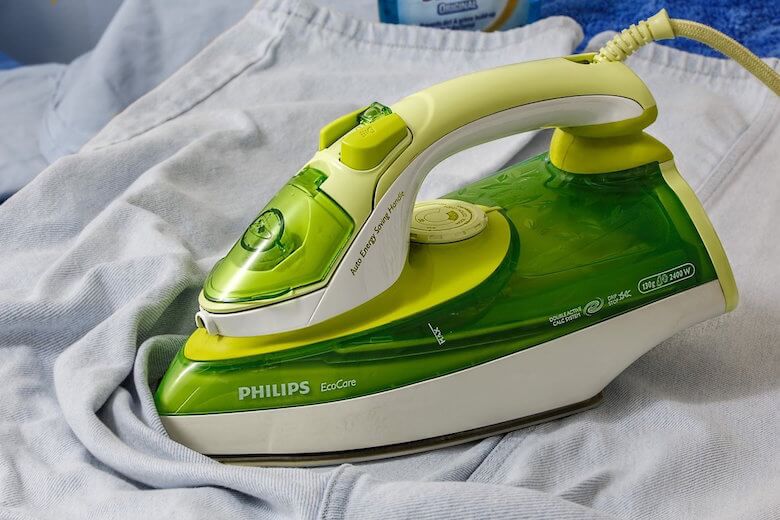
If your linen clothing or fabric does shrink, you might be able to stretch it back to close to its original size. Linen gets stronger when wet, which makes this the optimum time to deal with shrinkage and minimise any potential harm to the garment.
While the linen is still damp drape it over your ironing board and heat your iron to a medium heat. Press from the centre of the garment towards the edges, without scrunching or twisting. Repeat the ironing process, pressing outwards to stretch it back.
You may not get the fabric completely back to its original size or shape, but this process should help stretch it out.
Enjoy your linen!
Yes linen might experience some shrinking on first wash or if dried at too-high temperatures! But by simply following the clothing or fabric's washing instructions you can minimise this shrinking. Buying pre-washed linen fabric also means it's less likely to shrink.
And less shrinking means no need to stretch the garment back!
We hope you wear linen all throughout the year, not only in summer, and enjoy its wonderful natural properties for years to come.
Frequently asked questions
Is linen a stretchy fabric?
Pure woven linen has little natural elasticity. It may ease and soften with wear, especially on the bias, but it does not stretch and recover like a knitted fabric or one containing elastane.
Does linen become looser while wearing it?
Linen fibres can relax slightly in areas under repeated pressure, such as elbows or knees. Washing and careful reshaping may help the garment return closer to its original form.
Can linen be used for fitted garments?
Yes, provided the pattern includes suitable wearing ease, closures or design shaping. For a close fit that needs recovery, choose a linen blend with stretch fibre or a pattern designed for non-stretch woven cloth.