Linen vs Hemp Fabric: Differences, Uses and Care
Updated August 1, 2026: this article has been refreshed with clearer linen-vs-hemp comparisons, fabric-use guidance and natural textile care tips.
Quick answer: what is the difference between linen and hemp fabric?
Linen fabric is made from flax, while hemp fabric is made from the hemp plant. Both are natural bast fibres, both can be strong and breathable, and both soften with use. Linen is especially loved for home textiles, clothing, curtains and bedding because it drapes beautifully and has a crisp, elegant texture. Hemp is often slightly coarser at first, though it can also become softer after washing and wear.
If you are choosing fabric for a real project, compare weight, weave, colour and hand feel rather than relying only on the fibre name. Ordering linen fabric samples is the safest way to check how a fabric feels, washes and works with your interior or sewing plan.
Linen or hemp: which fabric should you choose?
Choose linen when you want a breathable fabric with a refined natural look for curtains, bedding, table linen, clothing or decorative home textiles. Hemp can be a good option for projects where a sturdy, rustic feel is welcome. For most interiors and soft furnishings, the best choice depends on texture, colour, fabric weight and how the finished piece will be washed or used.
Have you ever wondered what the difference between hemp and linen fabric is? Or maybe you’re looking for more sustainable fabrics for your clothes and home textiles. In today’s post we’ve got the lowdown on all things hemp-related. From legal restrictions to Bibles, read on to discover more about this fascinating fabric!
What is hemp?
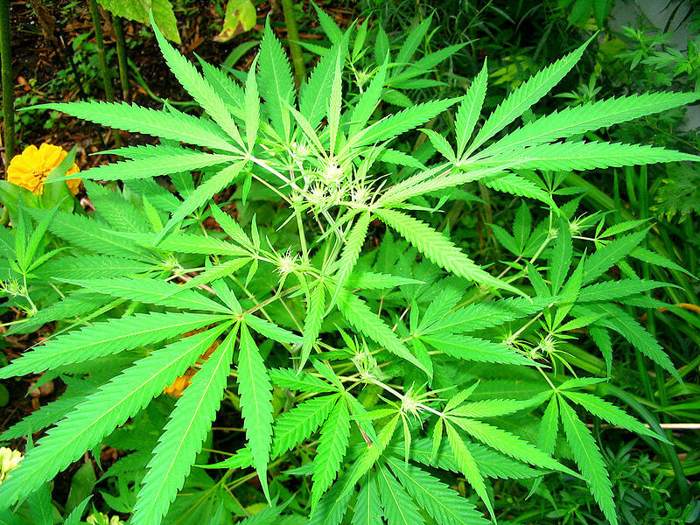
Hemp is made from the fibres of the cannabis sativa plant. Crucially, this is not the same as the marijuana plant, but because the two look so similar hemp cultivation has been banned in many countries. Recently, the 2014 Food Act in the USA formally recognised the difference between these plants, distinguishing between 'industrial hemp' cultivation and cannabis production.
Despite the bad press in the last century, hemp has been widely used across the globe since around 2800BC. Evidence of hemp cultivation in China at the time shows that it was used locally, and we know that by 800BC it was brought along the Silk Road trading routes into Europe.
You can find out more about the history of hemp at the Berlin hemp museum.
What is hemp used for?
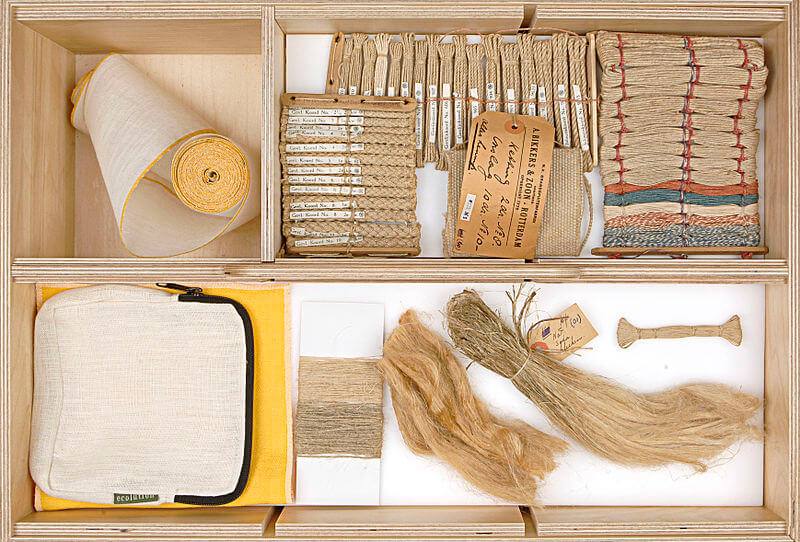
From the richest to the poorest in society, hemp provided a durable, practical and easy source of fabric. It has been used to make a huge range of products, from medicine to ship ropes, paper to paint and food to canvas. The fibres are inside the stalk, but all parts of the plant are used. It's even an alternative fuel source! And, of course, hemp has long been used to create a range of fabrics for clothing and home textiles.
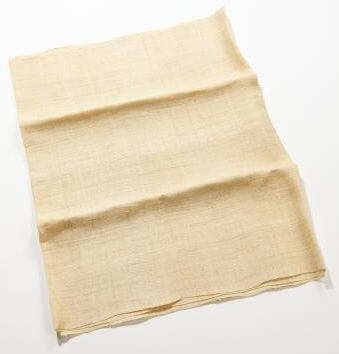
Linen fabric versus hemp fabric
Looking at linen and hemp fabric together it's not easy to see which is which. Hemp fibres are longer and because of its limited cultivation it's more expensive. Linen is made from the flax plant.
Despite these differences, the two fabrics share several characteristics:
- Durability and longevity
- Sustainability
- Comfort
- Thermoregulation
- Antibacterial and anti-fungal
What are the benefits of hemp?
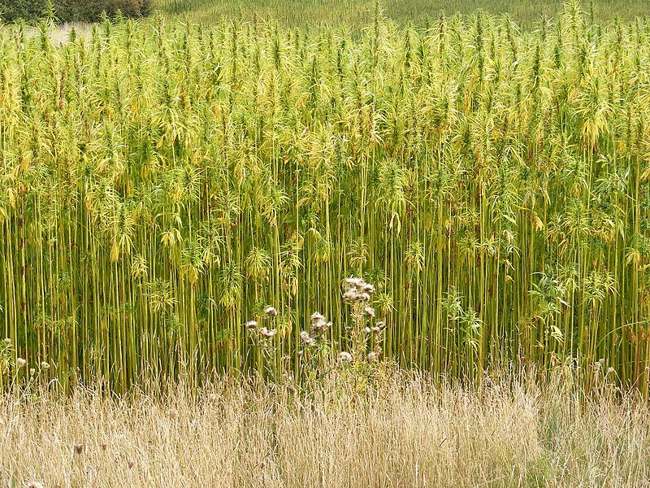
With strong environmental credentials, hemp offers a sustainable alternative to crops like cotton. It needs less water to produce and grow, is biodegradable and compostable, and even captures significant amounts of carbon as it grows. Thanks to their deep root system, hemp plants don't degrade the soil, meaning there's no need for fertilisers. They are also pest resistant, so can be grown productively without harmful pesticides.
Hemp is soft on the skin and helps regulate your body temperature, keeping you comfortable all year round. Easy to care for, you can machine wash hemp textiles - just use a low temperature and mild detergent. Hemp is also odour resistant, so you'll stay fresh all day.
One of hemp's major benefits its is strength and durability. It is around four times as strong as cotton, and isn't weakened by washing. This also makes it more sustainable, as hemp products will keep going for many years if properly looked after.
Due to its natural UV resistance, hemp protects from UV rays and keeps its colour strong, even when positioned in sunlight.
Many of these benefits are also found in linen fabric. Read more about linen as a sustainable textile for fashion here.