
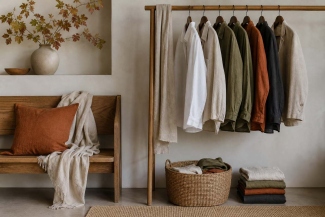
How to Clear Out Your Closet for Autumn: A Practical Reset
Updated August 11, 2026
The change from summer to autumn is a useful moment to review a wardrobe, but it does not require throwing out one season and buying another. A thoughtful reset protects the clothes you already own, reveals genuine gaps and makes morning choices easier.
Work in one category at a time and make decisions based on fit, condition and real use—not on a perfect capsule-wardrobe number.
Start with evidence from the past season
Notice which summer pieces were worn repeatedly and which stayed on the hanger. Ask whether an unworn item was uncomfortable, difficult to combine, unsuitable for your routine or simply forgotten. This distinction prevents you from replacing it with the same mistake.
Try on uncertain pieces in good light. Keep only clothes that fit now or have a specific, realistic alteration plan.
Clean and repair before storing
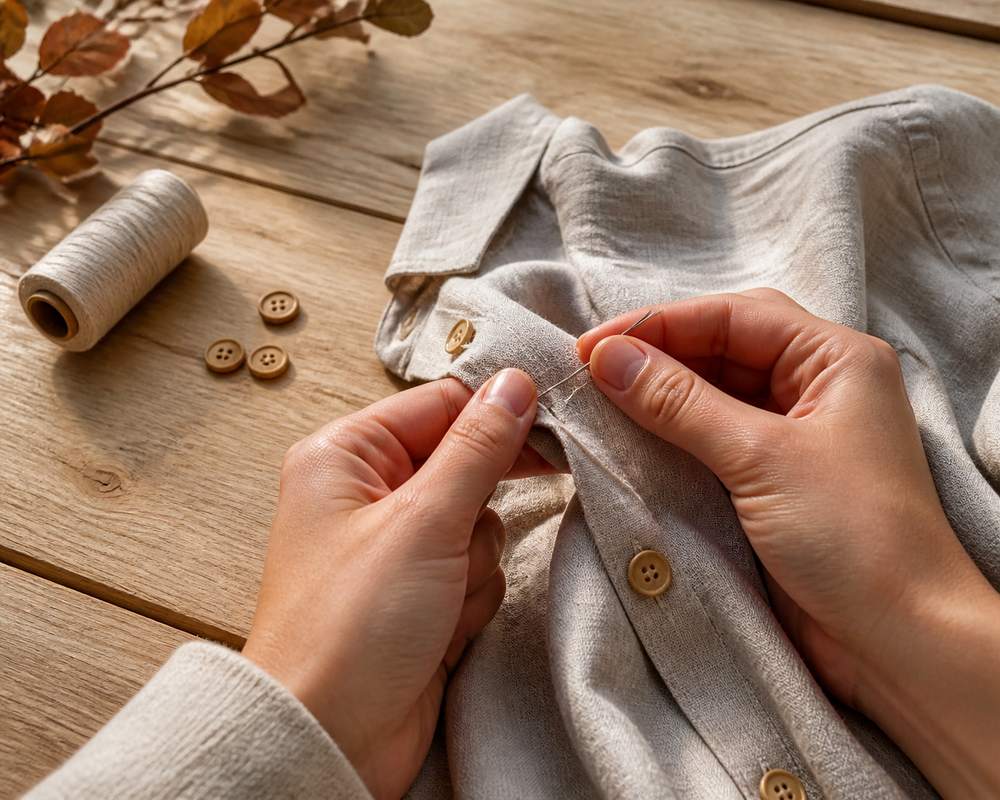
Wash garments according to their labels and let them dry fully. Treat stains before storage because old marks become harder to remove. Sew loose buttons, repair small seams and note any professional work needed.
Store linen clothes folded or hung according to their construction. Avoid cramming garments into sealed spaces, and investigate damp rather than masking it with fragrance.
Build autumn outfits around layers
Many summer linen pieces remain useful under knitwear, jackets or overshirts. A linen shirt can become a base layer; relaxed trousers work with warmer footwear; a dress can be paired with a cardigan and coat.
Choose layers that move comfortably together. Tight sleeves over a loose shirt or heavy outerwear over fragile cloth can create pulling and friction.
Use a simple autumn palette
Base colours such as flax, cream, navy and charcoal are easy to repeat. Rust, olive or muted berry can add seasonal depth without demanding an entirely new wardrobe. Photograph useful combinations so they are easy to remember.
Before buying fabric for a sewing project, compare linen clothing fabrics and order samples in the light where you will wear them.
Donate and recycle thoughtfully
Only donate clean, wearable clothing that another person can realistically use. Repairable natural-fibre pieces may be suitable for alteration; damaged linen can become patches, bags or cleaning cloths. Textile recycling should be the last option when reuse is no longer practical.
Keep a short gap list for several weeks before shopping. A genuine need will continue to appear across multiple outfits.
Frequently asked questions
Should summer linen clothes be stored away in autumn?
Not necessarily. Shirts, dresses and trousers can remain useful as breathable layers, while very light pieces can be cleaned and stored.
How should linen clothes be stored?
Store them clean and completely dry, with enough space for air circulation and folds or hangers suited to the garment.
How do I avoid buying too much for autumn?
Create outfits from existing clothes first, record repeated gaps and wait before purchasing replacements.