
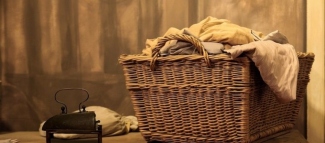
How Linen Was Cleaned Before Washing Machines
Updated August 9, 2026
Quick answer: Before washing machines, cleaning linen involved long soaking, hand agitation, boiling, beating, outdoor bleaching and repeated rinsing. Some households also used alkaline substances, sour milk or stale urine—historically understandable choices that should not be copied as modern care advice.
Linen laundry once required water, fuel, space, tools and considerable physical effort. Sheets, shirts and table linens absorbed water and became heavy, while soap was expensive or made at home. For many households, washing was organised as a major weekly or seasonal task rather than a quick daily chore.
This article explains the historical methods and the practical reasons behind them. It is a piece of laundry history, not a set of cleaning instructions. For present-day care, use the advice in our guide to washing linen clothes and always follow the item's label.
Soaking came before scrubbing
Soaking loosened sweat, body oils and surface dirt before the most demanding work began. Laundry might sit in plain water or an alkaline solution, sometimes overnight. The aim was to reduce the amount of rubbing needed later and allow the cleaning liquid to penetrate a tightly woven cloth.
Water quality mattered. Hard water could reduce the effectiveness of soap and leave deposits, while access to a river, well or communal washhouse shaped how much rinsing a household could manage.
Homemade lye and early soap
Wood ash mixed with water can create an alkaline liquid. Historically, carefully prepared ash lye was used for cleaning and soap making because alkalinity helps break down grease. The strength was difficult to control, however, and an overly harsh solution could damage fibres, skin and clothing.
Soap was made from fats combined with an alkali, but recipes and quality varied. Modern detergents are far more consistent, so there is no practical reason to recreate unpredictable household lye for valuable linen.
Why urine and sour milk appear in laundry history
Stale urine releases ammonia, an alkaline substance capable of loosening greasy dirt. It was used in several historical trades, including textile preparation and cleaning. Sour milk was associated with soaking and stain treatment because its acidity could affect certain discolourations.
These materials belonged to a time before regulated cleaning products, accurate dilution and modern hygiene knowledge. They are interesting evidence of resourcefulness, but they can create odour, contamination, colour change and fibre damage. Do not use them on modern linen.
Boiling, bucking and beating linen
White household linen was sometimes boiled or repeatedly exposed to hot alkaline water. In a process often called bucking, liquid passed through layers of laundry so that soil could be carried away. Cloth was also rubbed on boards, pounded with wooden tools or beaten against a firm surface.
Mechanical action helped dislodge dirt but also wore the textile. The repeated stress explains why mending and repurposing were ordinary parts of household management. Today's washing machines provide controlled agitation and therefore require much less physical force.
Bleaching greens and the role of sunlight
Before bottled whitening agents, damp white linen could be spread on grass or a dedicated bleaching ground and exposed to daylight. It was wetted repeatedly while light, oxygen and time reduced some discolouration. The process could take days and depended on weather and available land.
Sunlight can still brighten white laundry, but prolonged strong exposure may fade dyes and eventually weaken fibres. Modern white linen should be dried according to its care instructions rather than left outside indefinitely.
Rinsing and drying were major jobs
Every cleaning substance had to be removed from the cloth. That meant carrying more water, rinsing repeatedly and pressing or wringing heavy textiles. Large sheets could be twisted between two people or passed through a mangle before being spread on hedges, lines or grass.
Drying outdoors reduced the need for fuel but introduced weather, dust and soot as variables. Indoor drying was slower and demanded good ventilation.
Ironing, mangling and storing clean linen
Flatwork was smoothed with heated irons, mangles or rollers. Irons were heavy and had to be reheated, while a scorched or sooty surface could undo hours of washing. Thorough drying was essential before storage because folded damp linen could develop mildew and odour.
Households often rotated their best linen carefully, repaired worn edges and reused damaged pieces as smaller cloths. Long use was an economic necessity and remains a useful sustainability lesson today.
What modern readers can learn
The most valuable lesson is not to reproduce aggressive formulas. It is to soak stains promptly, avoid using more force or heat than necessary, rinse products completely, dry linen thoroughly and repair useful textiles rather than discarding them early.
For whitening, start with the mildest care-label-approved option. Our guide to bleaching linen safely explains why oxygen-based products are generally preferable to frequent chlorine bleach.
Frequently asked questions
Why was old-fashioned linen laundry so labour intensive?
Laundry required hauling and heating water, soaking, beating or rubbing cloth, repeated rinsing, outdoor bleaching and hand drying. Large household linens were heavy when wet, so the work often involved several people.
Did people really use urine to clean linen?
In some historical periods, stale urine was used because it produces ammonia, which can help loosen grease. This was a harsh historical practice, not a safe modern linen-care recommendation.
What is the safest way to clean linen today?
Follow the item's care label, use a suitable mild detergent, avoid unnecessary heat and strong chemicals, and treat stains promptly. Test any unfamiliar product on an inconspicuous area first.