

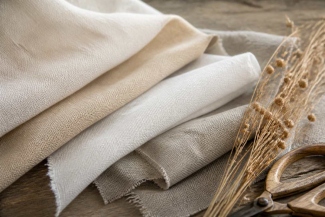
What Makes Linen Fabric Special? Texture, Strength and Uses
Updated August 11, 2026
Linen is often described as an amazing fabric, but useful buying decisions need more than admiration. Its character comes from flax fibre, yarn, weave, weight and finish—and those variables determine how a particular cloth will behave.
This overview explains the qualities that distinguish linen and how to choose an appropriate fabric without claiming that one material is perfect for every purpose.
Linen begins with flax
Linen fibre is obtained from the stem of the flax plant. After harvesting, retting and mechanical processing separate usable fibres from the woody stem. The fibres are prepared, spun into yarn and woven or knitted into cloth.
Long fibres can create fine, strong yarns, while shorter fibres contribute a different handle and appearance. Processing and finishing have a major effect on the final fabric, so fibre name alone does not describe quality.
Natural texture and slubs
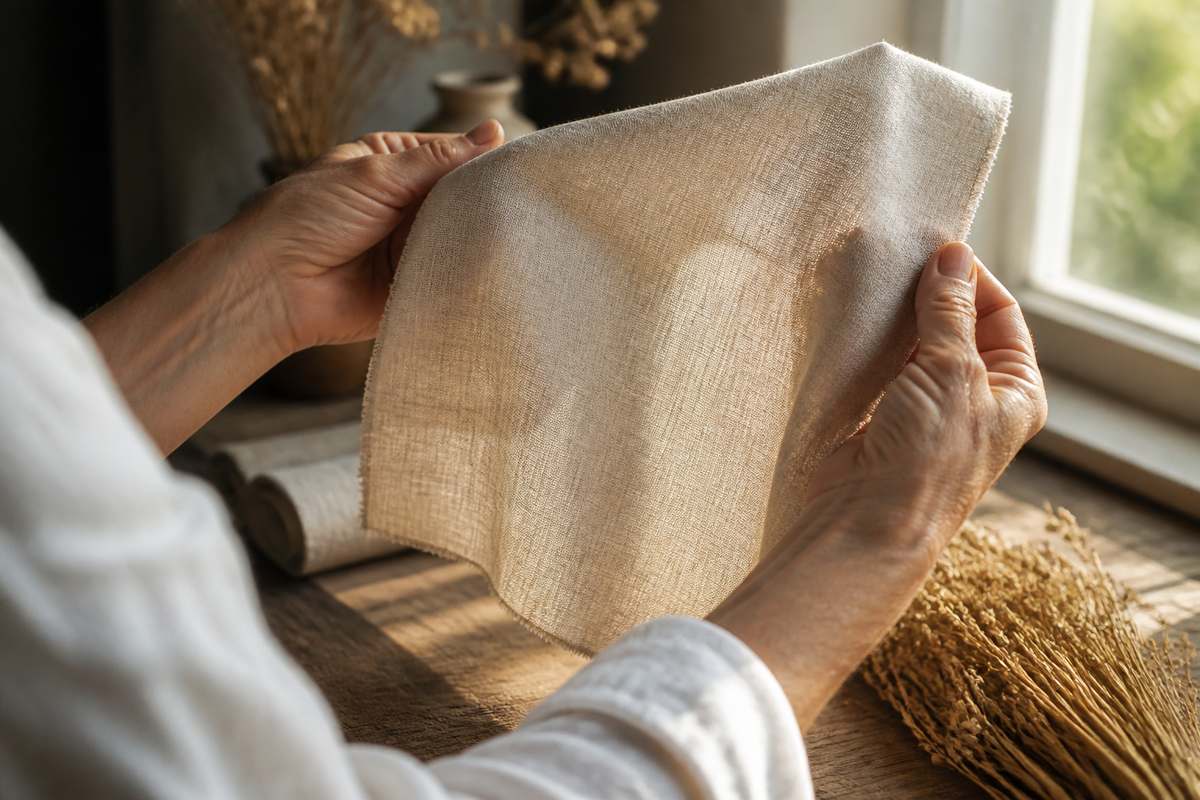
Small variations in yarn thickness create the subtle slubs associated with linen. In a well-made cloth they add depth rather than indicating damage. Washed finishes can emphasise a soft, relaxed surface, while more formal finishes may feel crisper at first.
Photographs rarely show texture accurately. Handle a real sample and check it in side light before choosing a large quantity.
Strength without stretch
Flax fibres are strong, especially when wet, which supports linen's reputation for longevity. Woven linen usually has limited natural stretch, however, so fit, seam construction and ease matter in clothing and fitted covers.
Durability still depends on weave density, weight, abrasion, care and use. A fine blouse linen should not be judged by the same standard as upholstery cloth.
Breathability and moisture handling
Many linen fabrics allow air to circulate and can absorb moisture before feeling damp. These qualities help explain linen's popularity for warm-weather clothing, bedding and table linen. Performance varies with weave, layers and product construction.
Linen is not automatically cool in every form: a dense heavy fabric can provide useful warmth and structure.
Choose linen by weight and purpose
Lightweight cloth suits shirts, blouses, gathered curtains and delicate projects. Midweight linen is versatile for dresses, trousers, table linen and many soft furnishings. Heavy, stable fabrics are more appropriate for structured curtains and suitable upholstery applications.
Browse the relevant linen fabric categories, then order samples. Wash a test piece if the final item will be washable, and discuss technical requirements with the maker before ordering yardage.
Frequently asked questions
Are slubs in linen fabric defects?
Usually not. Small yarn variations are a normal part of linen's natural texture, although true weaving faults should still be assessed separately.
Is all linen fabric breathable?
Many linen fabrics are breathable, but weave density, weight, finishes and product construction affect airflow.
How can I judge linen quality online?
Use specifications as a guide, then order a physical sample to assess weave, opacity, colour, drape and handle.
2016-01-03
2016-10-06
Dear Lucia,
You could take a look here : https://www.linenme.com/linen-fabrics and tell us what direction you are thinking in terms of colours and patterns then we could give you further advise on which fabrics would fit your project needs the best.
Inga
I am interested in purchasing linen for high end embroideery of large tablecloths. What do you recomend? Please send widths, prices and colors. Thank you