
A Quick Look into Your Bedding Materials – are They Good for Your Health?
When choosing bedding, start with the fibre, weave, finish and care label. They influence whether sheets feel silky, crisp or textured. No fabric can guarantee better health or prevent allergies; comfort depends on the finished product and your own sensitivities.
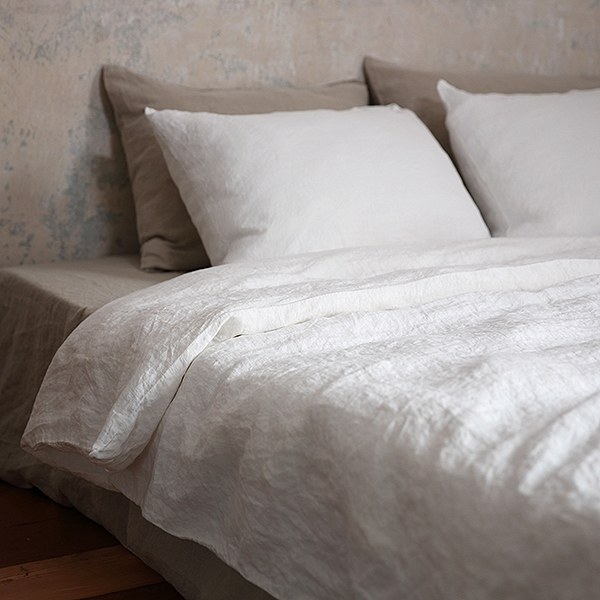
Cotton is the most used and favoured fabric for bed sheets and linens because of its durability and softness. Other preferred fabrics for beddings are silk, polyester and linen.
Cotton bedding
There are many different types of cotton used for bed sheets along with many blends. Here are some of the most common types of cotton used in bedding and sheets.
-
Egyptian cotton
-
Pima cotton
-
Upland cotton
Silk bedding
Silk is a protein fibre produced by silkworms. Silk sheets tend to have a smooth, soft hand feel, but their care needs can differ from cotton or linen. Claims that a fibre is universally “hypoallergenic” are too broad: reactions can relate to dyes, finishes, detergents and other factors.
Polyester bedding
Polyester is a synthetic fibre. It is often chosen for easy care and affordability, and is also blended with cotton or other fibres. Its feel depends on the yarn and weave, so it is not always scratchy or stiff. Check the label if you prefer a natural-fibre sheet.
Linen bedding
Linen is a plant-based fibre made from flax. Some people enjoy its textured feel and the way it often softens with washing. Processing and finishing vary, so do not assume every linen sheet is untreated or suitable for every allergy. Check product details and care instructions, and seek clinical advice if bedding triggers symptoms.